Eating Disorder Education

Eating disorders are complex, often misunderstood mental health conditions. They affect all body types, cultures, ages, and identities. Despite their prevalence and seriousness, eating disorders are under-recognized, under-diagnosed, and undertreated. Research shows 92% of healthcare providers have missed patients with eating disorders at some point.

When providers miss eating disorder signs, care is delayed and consequences can be severe. Early intervention is a key predictor of recovery, only possible when clinicians, counselors, educators, and community leaders know what to look for and how to respond effectively.

As eating disorder presentations rapidly change and cultural diversity increases, education is essential amid growing online misinformation. EDEI was created to respond to that urgency.

The Growing Gap in Eating Disorder Education and Knowledge

Eating disorders have historically been taught through a narrow lens. For decades, the field has relied on outdated assumptions about who develops an eating disorder and what symptoms “should” look like. These assumptions have caused measurable harm.

Many programs still focus on few diagnoses, overlook cultural and racial variables, assume thinness signals concern, or ignore the experiences of people in larger bodies. Meanwhile, providers face a more diverse and complex patient population.

 Across healthcare, mental health, and community systems, one message is clear:

There is a gap in education, and that gap is resulting in a gap in care.

This gap shows up in several ways:

  • Delayed diagnosis and treatment. Providers miss early warning signs when they are trained to recognize only the most stereotypical presentations.
  • Inadequate cultural responsiveness. Eating disorders occur in people of all body sizes, races, genders, and identities, yet many curricula lack cultural competency and weight-inclusive frameworks.
  • Fragmented training pathways. Many clinicians are unsure which certifications to pursue, how to access practical training, or where to begin.
  • Unequal access to continuing education. Not all providers can attend conferences or enroll in expensive programs, leaving entire communities underserved.
  • Overreliance on test-based learning. Traditional education often prioritizes memorization over applied clinical wisdom, leading to professionals who are “certified” but not necessarily ready to meet real-world needs.


These challenges have created a landscape where providers want to help but often lack the tools, confidence, or up-to-date knowledge to do so safely. EDEI was founded to close that gap.

EDEI’s Vision for Culturally Inclusive Training for All

EDEI stands for a new standard in eating disorder education: one that blends evidence-based expertise, clinical wisdom, and the lived experiences of those who have navigated eating disorders personally or with loved ones. Our goal is not just to teach information but to reshape how the field thinks about and responds to eating disorders across communities. At EDEI, we believe:

Any person in any sized body can suffer from an eating disorder.
Compassion and cultural humility are non-negotiable.
Education must stay current with a rapidly evolving field.
Training should empower, not intimidate.
Providers deserve practical, real-world guidance, not just theory.

From the earliest stages of planning, it has been deeply important to our founders that EDEI operate with humanism at its core. That means designing programs that respect the complexity of eating disorder recovery, honor the individuality of patients, and support learners with compassion rather than pressure or gatekeeping.

about us

Creating Accessible, Adaptive Education

One of EDEI’s core commitments is accessibility. We know that the people who most need eating disorder education are often the busiest, clinicians balancing heavy caseloads, school counselors supporting dozens of students, community leaders working with limited resources.

That’s why all EDEI courses are delivered on our CANVAS platform, designed for:

By removing traditional obstacles to training and offering flexible timelines, EDEI ensures that the people who want education can actually receive it, wherever they are and whenever they need it.

A Pathway for Every Level of Experience

Eating disorder expertise is not one-size-fits-all. Providers arrive with different backgrounds, different goals, and different levels of exposure to eating disorder work. EDEI integrates seamlessly with other credentials. If you are already holding an accepted eating disorders credential from a recognized organization we offer the Express EDCS and the Express EDCS-C pathways so you can refresh your knowledge, strengthen your practice, and increase recognition for your expertise.
For clinicians regularly treating eating disorder patients
Those seeing patients with eating disorders 80% of the time can enroll in both the core curriculum and the live practicum, building skills while simultaneously applying them in their day-to-day work.
EDEI integrates seamlessly with the CEDS pathway. If you are currently engaged in or already holding part of a certificate, we honor that investment and offer a clear transfer process as the field transitions. By June 2027, all transfers will be fully integrated.
Clinicians with a Master’s degree can access coursework even if they are not pursuing practicum hours, allowing them to deepen their clinical understanding and build foundational competence.
High-school guidance counselors, coaches, religious leaders, and community advocates are often the first to notice early signs of an eating disorder. EDEI offers accessible courses that help non-clinicians understand warning signs, communicate effectively, and support pathways to care.
Eating disorder education should not be restricted to a select few. EDEI ensures that anyone who wants to learn has a place in this process.

Courses Built by Practitioners, Grounded in Real Life

It was essential to EDEI’s founders that all courses be rooted in real practice, not theoretical abstraction. Every course within the EDEI system is taught by a practitioner actively working in the field, ensuring that what learners receive reflects current best practices, evolving clinical realities, and emerging trends.
The first phase of EDEI launches with a comprehensive 101-level curriculum, providing the strongest possible foundation for learners at all levels. Over time, this will expand into:

Our Curriculum Includes:

Our commitment is simple:
EDEI will always evolve as the field evolves.

Why Eating Disorder Education Matters Now More Than Ever

We are living in a time when eating disorders are increasing across nearly every demographic. COVID-19, social media, weight-based discrimination, and global instability have all contributed to rising rates and more complex presentations.

At the same time, families and individuals are seeking help earlier, demanding care that is:

  • Trauma-informed
  • Weight-inclusive
  • Culturally aware
  • Flexible and accessible
  • Grounded in both research and humanity


The field must rise to meet that demand. EDEI exists to make that possible.

Eating disorder education is not just about learning a diagnosis, it is about understanding people. It is about ensuring that the next provider who sits across from someone in pain sees them clearly, listens deeply, and knows how to respond with skill and compassion.

It is about building a future where early detection is the norm. Where culturally competent care is universal. Where lived experience is respected alongside clinical expertise. Where providers feel confident, not overwhelmed. And where no one falls through the cracks because a professional was not trained to see them.

EDEI’s Role in Shaping The Future of Eating Disorder Education

EDEI is more than an education platform; it is a movement toward a more informed, more compassionate, and more equitable standard of care. By combining rigorous training, practical application, community, and a deep respect for human experience, we are bridging the educational gaps that have held the field back for too long.

Our vision is simple:

Every provider who wants to support individuals with eating disorders should have the tools to do so effectively and compassionately. By empowering providers, educating communities, and elevating the standards of care, EDEI is helping to build a world where eating disorder recovery is more possible, more accessible, and more human than ever before.

Hightlight on Our EDEI Staff

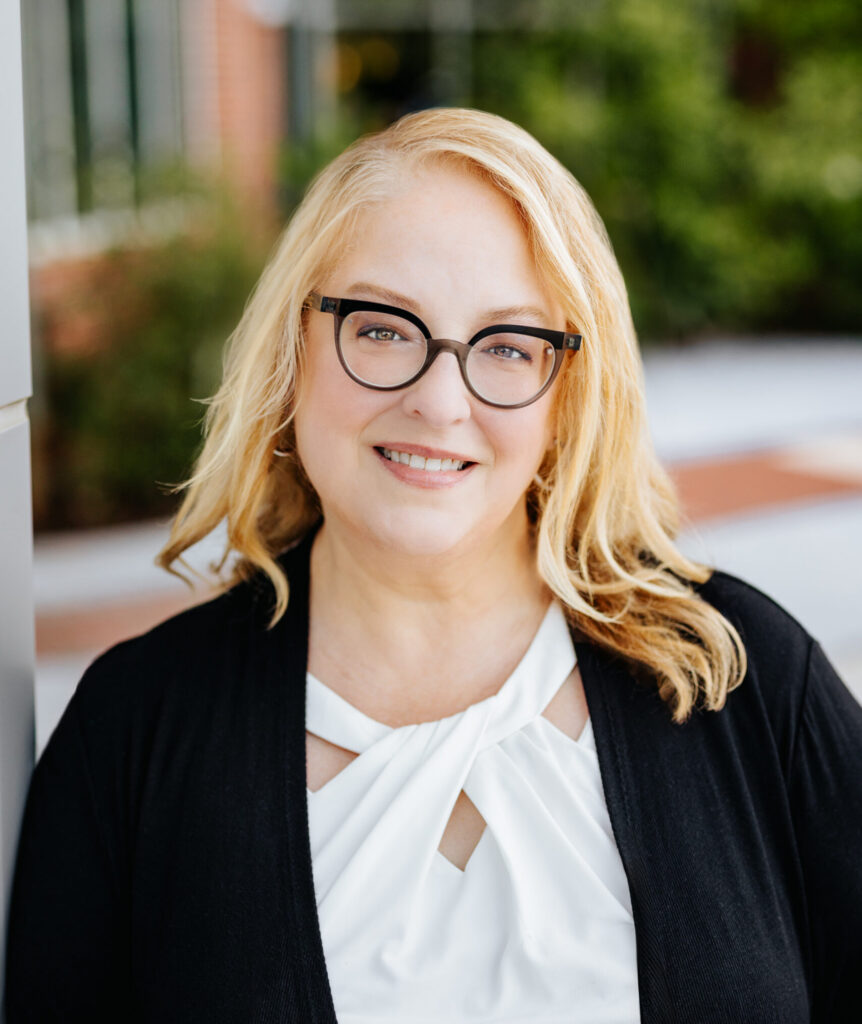
Chevese Turner

Founding Partner & President, Eating Disorders Education Institute (EDEI)

EDEI is meaningful to me because it honors the stories, struggles, and resilience of everyone affected by eating disorders. Its education rooted in lived experience, evidence, wisdom and care.
about us

Sign Up For Information

Explore our website and learn more about how our courses can increase your knowledge, improve your care, and work toward a world that can better understand and treat eating disorders. EDEI delivers global learning, with courses that build knowledge and understanding, increase confidence, impact care.

A selective focus shot of a cool cheerfulguy with piercings using his smartphone in a room
Woman teacher teaching at home online, distance learning. Female sitting at home at table with laptop on virtual meeting with teenage student, video call. E-learning modern technologies in education
Pretty young mixed race woman plus size visiting psychologist, looking at black man therapist, have conversation and gesturing, clinic interior. Therapy, psychological help, mental health

12+ Courses Offered

Pre-Register to Be One of EDEI's Founding 100 Learners

Be among the first to step into a new era of eating disorders education. EDEI launches September 16th, but pre-registration is open now — and this offer is exclusive to those who pre-register before launch. The first 100 to pre-register get:

  • 10% off any individual course or learning pathway — plus the same 10% on any additional pathways or courses for the next three years.
  • An invitation to the EDEI Founding 100 Consultation Collective (with a pathway pre-registration) — live sessions with Dr. Wendy Oliver-Pyatt and special guest leaders in the field.
  • Membership in the EDCS Expert Network upon earning the a credential — alumni benefits, networking, and ongoing learning

*The Consultation Collective is an added benefit and does not replace the supervised practicum in pathways that require it.

You’ll receive a unique, non-transferable code to complete registration when EDEI opens September 16th, valid through November 15th 2026.

Explore Learning Pathways or Browse Our Catalog for full details.