

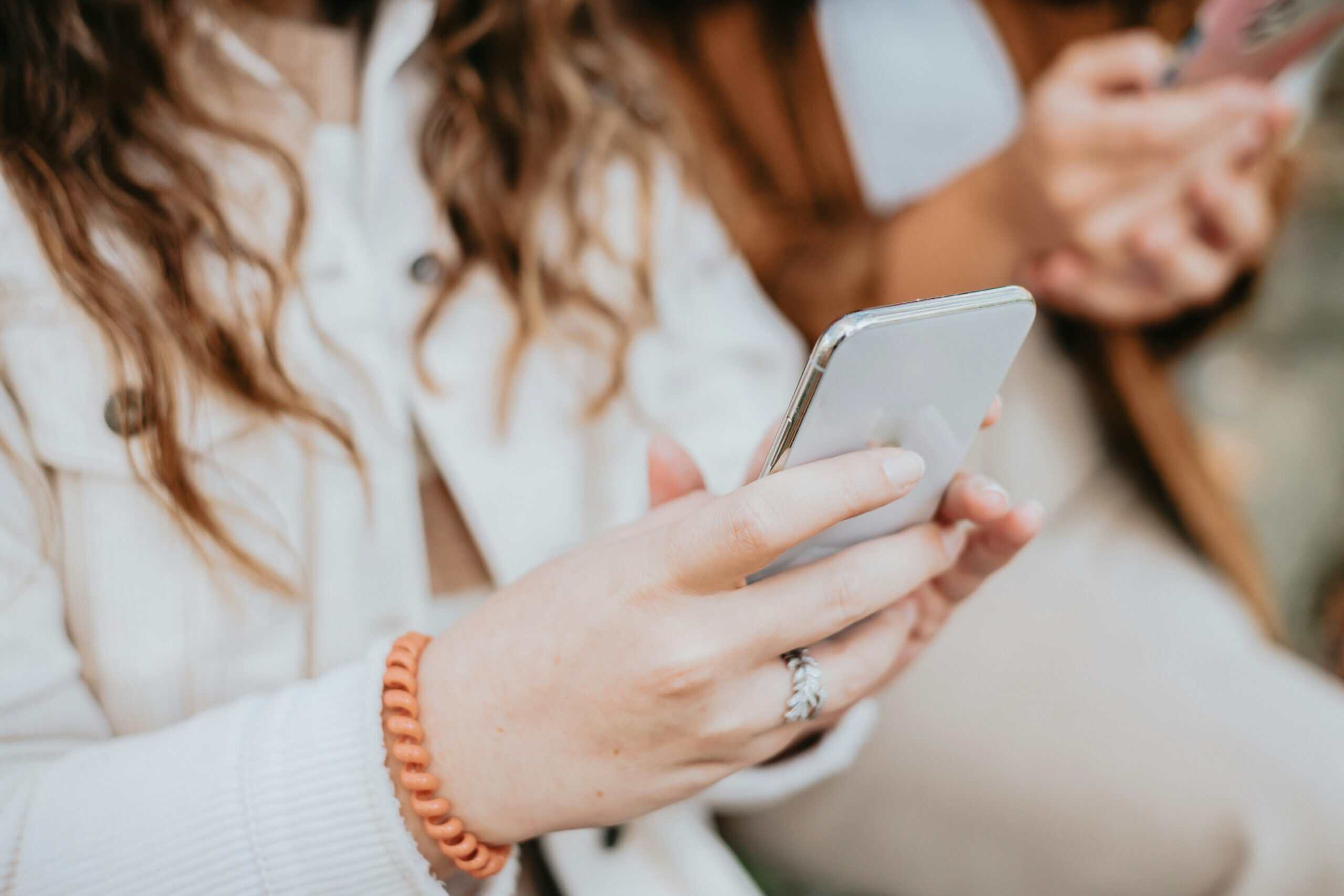
Social media impacts body image by exposing users to filtered, curated content that promotes unrealistic beauty standards, fueling social comparison and increasing rates of anxiety, depression, and disordered eating. Studies show heavy social media use correlates with body dissatisfaction, especially among teens and young adults who spend hours scrolling through edited images daily.
Nearly 90% of young women report using a filter or editing app before posting a photo online, according to a 2021 survey.1 That single statistic captures a growing public health concern: how does social media impact body image, and what can be done about it?
The relationship between social media and body image is complex, but research points to a consistent pattern. Constant exposure to curated, filtered content shifts users’ perception of what bodies “should” look like, often creating a gap between reality and expectation. This gap can lead to dissatisfaction, low self-esteem, and in more serious cases, disordered eating behaviors.
This article breaks down the mechanisms behind this connection, from the rise of filtered content to the mental health consequences tied to constant comparison. At the Eating Disorders Education Institute (EDEI), we work with providers and everyday people alike, helping them recognize the warning signs of disordered eating and connect people to help faster. Our certification program equips both professionals and laypeople with the tools to understand eating disorders and intervene early.
How Does Social Media Impact Body Image Through Filtered Reality
Social media platforms are built around curated moments, not authentic ones. Users choose their best angles, apply filters, and edit out perceived flaws before sharing content with the world. Over time, this creates a feedback loop: the more polished content someone sees, the more polished their own content becomes, and the cycle repeats across millions of accounts.2
Filters and editing apps have made this distortion easier than ever. Features that smooth skin, slim waists, or enlarge eyes are now built directly into camera apps, meaning users often edit their appearance without a second thought. The result is a digital landscape where “normal” no longer reflects reality.3 When asked how does social media impact body image most significantly, many researchers point directly to this normalization of digitally altered appearances as a root cause.
Highlight reels compound the problem. Because platforms reward engagement, the most extreme, polished, and aspirational content tends to rise to the top of feeds. Users comparing themselves to these posts are rarely comparing themselves to an average person. They’re comparing themselves to a carefully constructed version of someone else’s life, filtered through hours of editing and dozens of discarded takes.
Mental Health Consequences of Social Comparison
Repeated exposure to idealized images doesn’t just shape opinions. It shapes mental health outcomes. Research consistently links heavy social media use to increased rates of anxiety, depression, and low self-esteem, particularly among adolescents and young adults who are still forming their sense of identity.4
Social comparison theory helps explain why. Humans naturally evaluate themselves against others, but social media accelerates this process to an unprecedented scale. Instead of comparing themselves to classmates or neighbors, users now compare themselves to influencers, celebrities, and algorithmically-selected strangers, often dozens of times per day. This constant comparison can distort self-perception and contribute to body dissatisfaction over time.
For some, this dissatisfaction can escalate into disordered eating patterns or clinical eating disorders. Understanding how does social media impact body image on a psychological level is critical for parents, educators, and healthcare providers who want to recognize early warning signs before they develop into more serious conditions. Early intervention often depends on someone in a person’s life noticing the shift and knowing how to respond.
Building Healthier Digital Habits
The connection between social media and body image is well-documented, but it isn’t inevitable. Curated content, editing tools, and algorithm-driven comparison all contribute to distorted self-perception, but awareness is the first step toward change. Encouraging mindful consumption, following diverse and body-positive accounts, and taking regular breaks from social platforms can all help reduce the psychological toll of constant comparison.
For those who work with individuals affected by these pressures, whether as a healthcare provider, educator, or concerned family member, deeper training can make a measurable difference. EDEI’s certification program provides the knowledge needed to identify disordered eating early and guide people toward appropriate care. Call us today or explore our catalog of courses taught by our clinical team of trained eating disorder specialists.
Frequently Asked Questions
What are the most damaging effects of social media on body image?
The most damaging effects include increased body dissatisfaction, heightened anxiety, and a greater risk of disordered eating behaviors. These effects stem largely from repeated exposure to filtered, idealized images that distort users’ sense of what a “normal” body looks like. Over time, this can erode self-esteem and contribute to long-term mental health struggles.
How can individuals protect their mental health while using social media?
Individuals can protect their mental health by curating their feeds to include diverse, unfiltered content and limiting daily screen time. Taking regular breaks from social platforms and practicing self-compassion when comparison thoughts arise can also reduce negative impacts. Following accounts that promote body neutrality or positivity, rather than idealized aesthetics, is another effective strategy.
What role do influencers play in shaping body image standards?
Influencers play a significant role because their content often blends personal branding with subtle or overt beauty standards, reaching large, impressionable audiences. Many influencers use filters, editing, or cosmetic enhancements without disclosure, making their appearance seem more attainable than it actually is. This can normalize unrealistic beauty ideals among followers, particularly younger users.
Are certain age groups more vulnerable to social media’s impact on body image?
Yes, adolescents and young adults tend to be the most vulnerable, as they are still developing their sense of identity and self-worth. This age group also tends to spend more time on visually-driven platforms like Instagram and TikTok, increasing exposure to comparison triggers. Early education about media literacy can help reduce this vulnerability.
Can reducing social media use actually improve body image?
Research suggests that reducing social media use, even temporarily, can lead to improvements in mood and body satisfaction. Studies have shown that participants who took short breaks from platforms reported lower levels of anxiety and appearance-related comparison. This suggests that intentional, limited use can be a practical tool for protecting mental health.
References
- City St George’s, University of London. (2021, March 8). 90% Of young women report using a filter or editing their photos before posting. EurekAlert! https://www.eurekalert.org/news-releases/869150
- Fox, J., & Vendemia, M. A. (2016). Selective self-presentation and social comparison through photographs on social networking sites. Cyberpsychology, Behavior, and Social Networking, 19(10), 593–600. https://doi.org/10.1089/cyber.2016.0248
- Tiggemann, M. (2022). Digital modification and body image on social media: Disclaimer labels, captions, hashtags, and comments. Body Image, 41, 172–180. https://doi.org/https://doi.org/10.1016/j.bodyim.2022.02.012
- Saleem, N., Young, P., & Yousuf, S. (2024). Exploring the relationship between social media use and symptoms of depression and anxiety among children and adolescents: A systematic narrative review. Cyberpsychology Behavior and Social Networking, 27(11). https://doi.org/10.1089/cyber.2023.0456