Eating Disorder Education for Dietitians & Nutritionists
Dietitians and Nutritionists play a crucial role in preventing, identifying, and supporting recovery from eating disorders. With the right education, they can transform lives, reduce harm, and help create a world where people feel safe, supported, and respected in their relationships with food and body. EDEI is proud to empower them in that mission.
Front Lines of Eating Disorder Care
Nutritionists and dietitians are on the front lines of identifying and supporting recovery from eating disorders. Whether in private practice, hospitals, community health, sports programs, or educational environments, nutrition professionals see individuals with disordered eating more often than they may realize. Disordered eating is now among the most common yet under-recognized nutrition-related health issues. It affects people of all ages, body sizes, identities, and cultural backgrounds.
Despite frequent contact with this population, many Dietitians & Nutritionists have received little or no specialized training in eating disorders. They may also lack training in weight-inclusive care or trauma-informed, culturally responsive nutrition counseling. Many report feeling underprepared, worried about causing harm, or unsure how to distinguish disordered eating, dieting, chronic illness, and diagnosed eating disorders. This reflects a pressing reality:
Dietitian & Nutrition professionals need accessible, comprehensive education that keeps pace with the evolving landscape of eating disorder care.
EDEI was created to meet that need.
Why Dietitians & Nutritionists Urgently Need Eating Disorder Education
Dietitians & Nutritionists are often the first professionals to notice early warning signs
Many individuals seek out nutrition support for weight concerns, chronic dieting, digestive issues, sports performance, or general health improvements. Beneath these concerns, however, can lie clinically significant disordered eating patterns that may go unnoticed.
Early signs nutritionists are uniquely positioned to detect include:
- Calorie counting or food tracking obsession
- Frequent elimination of food groups
- Extreme dietary rigidity
- Rapid shifts between dieting and overeating
- Compulsive exercise tied to food intake
- Shame or anxiety around eating
- Fixation on “clean” or “perfect” eating
Without specialized training, these warning signs can be easily misinterpreted as “motivation,” “discipline,” or “healthy habits,” delaying essential care.
Eating disorders occur in people of all body sizes
Weight bias and diet culture pervade nutrition spaces. Many nutritionists were taught weight-centric models that use low weight to identify risk. In reality, eating disorders affect people of all body sizes. Those in larger bodies are often less likely to be screened or taken seriously.
EDEI’s curriculum emphasizes:
- Weight-inclusive, anti-bias nutrition care
- The limitations and harms of weight-centric assessments
- Understanding eating disorders across the full weight spectrum
Nutritionists trained in inclusive frameworks offer safer, more effective care to all clients.
Dietitians & Nutritionists directly influence a patient’s relationship with food
Dietitians & Nutritionists talk about food daily, so the risk of unintentional harm is real. Without proper training, common advice like strict meal plans, calorie goals, macronutrient tracking, weight-loss recommendations, or restrictive diets can worsen symptoms in vulnerable clients.
Education helps Dietitians & Nutritionists:
- Avoid triggering or reinforcing disordered behaviors
- Practice with cultural and body diversity in mind
- Use language that supports healing rather than shame
- Build rapport while reducing fear around food
Interdisciplinary care requires knowledgeable nutrition professionals
Eating disorder recovery depends on collaboration between therapists, physicians, and nutritionists. For this teamwork to succeed, nutritionists must understand medical risks such as refeeding syndrome. They also need to know the therapist’s role and how to complement, not replace, mental health care. Nutritionists should interpret labs and medical notes linked to malnutrition. They must know their scope of practice and ethical boundaries.
- The role of therapy and how to complement, not replace, mental health care
- How to interpret labs and medical notes linked to malnutrition
- Scope of practice and ethical boundaries
EDEI teaches nutritionists how to integrate seamlessly into care teams, strengthening outcomes for clients.
Research and best practices continue to evolve
Emerging research has shifted the field in meaningful ways, highlighting the importance of trauma-informed care, cultural responsiveness, and flexible, individualized nutrition strategies. Nutritionists need education that reflects modern understanding, not the outdated diet-centric approaches learned decades ago.
We deliver evidence-based education rooted in clinical wisdom and lived experience. Dietitians & Nutritionists gain a flexible, practitioner-led pathway to become confident and competent allies for those navigating eating disorders.
How EDEI’s Curriculum Equips Dietitians & Nutritionists With the Tools They Need
EDEI’s practitioner-led, flexible, and culturally inclusive curriculum helps Dietitians & Nutritionists at every level, new practitioners, seasoned RDs, community educators, sports nutritionists, and more, build the expertise required to support individuals with disordered eating.
Evidence-based, practitioner-developed courses
Every course in the EDEI curriculum is created and taught by practitioners actively working with eating disorder populations. Dietitians & Nutritionists receive:
- The most current research
- Real clinical examples
- Applied skills they can use right away
- Frameworks based on lived and professional experience
This ensures training is relevant, practical, and grounded in what actually works.
A flexible learning experience through the CANVAS platform
Nutritionists often juggle full caseloads, community commitments, and continuing-education requirements. EDEI’s platform is designed to meet those needs with:
- Self-paced online learning
- Multilingual access
- Dyslexia-friendly fonts
- Bite-sized modules ideal for busy schedules
- “Confirm Understanding” check-ins instead of high-pressure exams
Mindful of diverse learning styles, EDEI makes education accessible and empowering.
Live practicums that bring learning into real-world application
For nutritionists seeking deeper, experiential training, EDEI offers live group practicums led by EDEI-trained practitioners.
During these three-hour, practitioner-guided sessions, nutritionists:
- Analyze real case scenarios
- Learn how to identify medical risk factors
- Explore interdisciplinary collaboration
- Practice compassionate, weight-inclusive counseling
- Enhance decision-making and safety awareness
Whether taken alongside coursework or later in training, practicums accelerate skill development.
Cultural competency and weight-inclusive training
Nutritionists play a significant role in shaping societal attitudes around food and body image. Culturally competent training helps reduce bias and support diverse communities.
EDEI’s curriculum integrates:
- Weight-neutral, anti-bias nutrition care
- Inclusive approaches for individuals of all body sizes
- Understanding eating disorders across cultures and identities
- Respectful, humanistic counseling strategies
Nutritionists trained through EDEI provide more equitable and effective care.
Clear pathways for advanced credentials
Nutritionists seeking the CEDS credential (or already pursuing it) can integrate EDEI coursework and practicums into their training. EDEI also honors previous investments in certifications and provides clear transfer options. By June 2027, updated pathways will be fully available.
Hightlight on Our EDEI Instructors
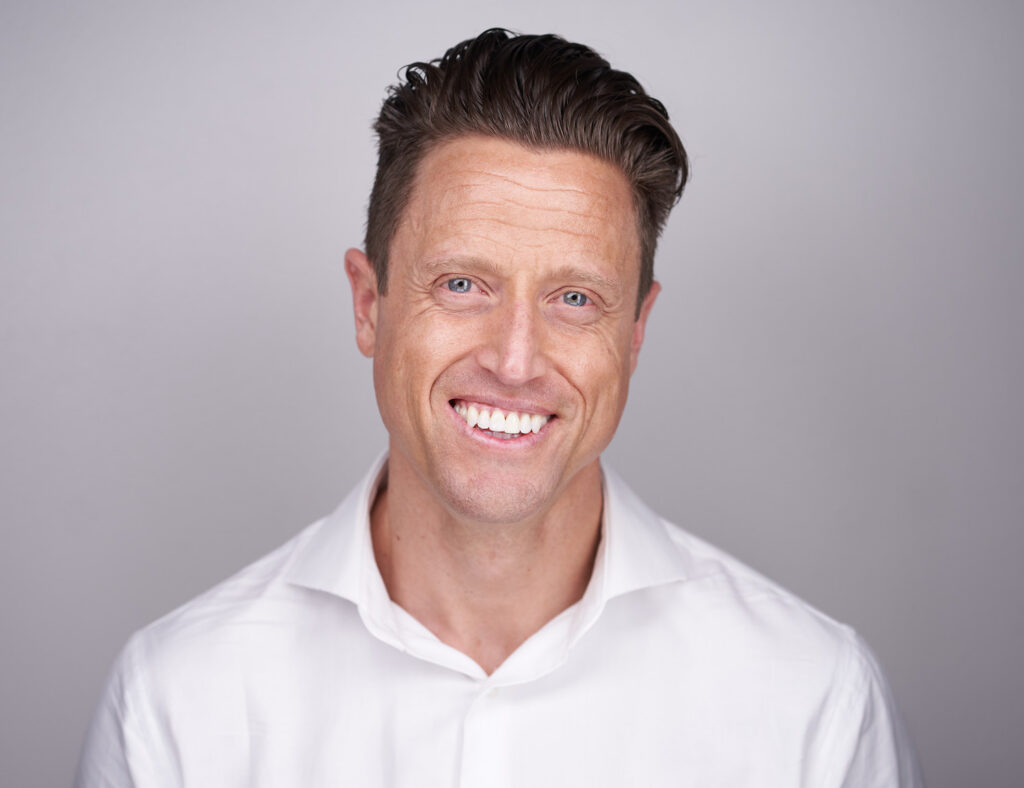
Shaun Riebl, PhD, RDN, EDCS
Dr. Riebl provides trauma-informed nutrition therapy to individuals struggling with disordered eating and eating disorders. He currently serves as the Chief Nutrition Officer at Within Health where he helped developed, launched, and continues to refine the delivery of excellent nutritional client care. With over 15 years of clinical experience, he promotes freedom, flexibility, and nourishment with food while providing compassionate, evidence-based treatment for all people.
The Impact of Eating Disorder Training on Nutrition Practice
When Dietitians & Nutritionists receive high-quality eating disorder training, the transformation is not only professional, it directly improves patient outcomes.
Earlier and more accurate detection
Dietitians & Nutritionists trained through EDEI learn to recognize subtle patterns that indicate risk, leading to earlier intervention and better treatment outcomes.
Reduced harm and safer practice
Dietitians & Nutritionists feel more confident counseling clients who struggle with:
- Chronic dieting
- Binge–restrict cycles
- Rigid food rules
- Exercise compulsion
- Fear-based food avoidance
This reduces the likelihood of inadvertently reinforcing disordered behaviors.
Enhanced collaboration with treatment teams
With a stronger understanding of medical and psychological components, Dietitians & Nutritionists become more effective partners in multidisciplinary care.
More compassionate, inclusive support
Dietitians & Nutritionists develop skills to work sensitively with clients of all backgrounds, identities, and body sizes, fostering trust and healing.
Professional growth and differentiation
Specialized training positions Dietitians & Nutritionists as experts in a high-need field, expanding their career opportunities and impact.
Why EDEI Is the Ideal Education Partner for Dietitians & Nutritionists
Dietitians & Nutritionists deserve accessible, high-quality education that addresses the realities of eating disorder care today. Unlike traditional programs, EDEI offers a curriculum purpose-built for the modern needs of nutrition professionals, equipping them with tools, approaches, and support that directly address gaps in weight-centric, outdated models.
EDEI stands apart because we offer:
- Evidence-based curriculum
- Practitioner-led instruction
- Humanistic, compassionate learning
- Live practicums
- Flexible, multilingual online access
- Culturally competent, weight-inclusive frameworks
- Programs built for both clinical and non-clinical nutrition professionals
EDEI continually updates its curriculum and resources to stay aligned with developments in the field, ensuring Dietitians & Nutritionists have exclusive access to the latest, most advanced, and practically relevant training.
Dietitians & Nutritionists play a crucial role in preventing, identifying, and supporting recovery from eating disorders. With the right education, they can transform lives, reduce harm, and help create a world where people feel safe, supported, and respected in their relationships with food and body.
EDEI is proud to empower them in that mission.
about us
Sign Up For Information
Explore our website and learn more about how our courses can increase your knowledge, improve your care, and work toward a world that can better understand and treat eating disorders. EDEI delivers global learning, with courses that build knowledge and understanding, increase confidence, impact care.



12+ Courses Offered