

About the Eating Disorders Education Institute
At EDEI, we believe everyone, regardless of body size, background, or identity, deserves accessible, compassionate, evidence-informed eating-disorder care.
Who We Are
The Eating Disorders Education Institute (EDEI) was founded by practitioners, educators, and individuals with lived experience who saw that traditional clinical education doesn’t match the realities of eating-disorder treatment. We combine evidence-based knowledge, clinical wisdom, and real-world experience to create training that is humanistic, compassionate, culturally competent, and reflective of how eating disorders manifest in diverse communities.
Closing the gap between what providers want and what they’re trained to deliver is at the heart of everything we do. With 92% of providers missing patients with eating disorders, comprehensive, inclusive education isn’t just valuable, it’s urgent.
A gap in education is resulting in a gap in care.
We’re here to change that.
What We Do
We are dedicated to continually review and update courses to ensure they reflect the latest research, evolving clinical standards, and the evolving needs of the field.
Our Curriculum Includes:
- Specialized certifications for treating eating disorders
- Certificates for anyone who want to gain knowledge about eating disorders
- Cultural competency training
- Ethics training
- Education that is trauma informed and weight inclusive.
Who We Serve
Whether you are:
- A clinician seeing patients with eating disorders 80% of the time
- A mental health professional with a Master’s degree and realize you are seeing people with eating disorders and want to expand your knowledge
- A practitioner pursuing or currently holding a CEDS (iaedp) or any other certification
- A physician, nurse or any other healthcare professional
- A school guidance counselor or psychologist, coach, or community leader wanting foundational skills
EDEI provides a pathway for you.
We honor previous investments in certifications and training; if you are already actively engaged in a certificate, we will recognize and transfer what you’ve earned.
Hear From EDEI contemporaries
What I want to say to anybody who's entering this field is use your voice…because you never know the lives, the moments, the people, the memories that you're going to save by doing so.
EDEI is meaningful to me because it honors the stories, struggles, and resilience of everyone affected by eating disorders. Its education rooted in lived experience, evidence, wisdom and care.
When I first began developing “Foundations of Cultural Awareness and Sensitivity in Eating Disorder Practice, Research, and Advocacy,” my vision was…to cultivate an experience that opens doors for learners to reflect deeply, challenge assumptions, and grow into more culturally aware, sensitive, and responsive providers.
We all want to see our clients recover, and we must guide them in that direction taking into account their autonomy as well as our responsibilities as clinicians to protect.
Our Mission
To create a human-centered learning community that promotes excellence in eating disorders care.
Our Values
Humility
EDEI is grounded in humility, recognizing the limits of any single perspective and committing to ongoing learning informed by research, clinical expertise, and lived experience.
Integrity
EDEI upholds integrity through ethical practice, transparency, and accountability. We are committed to education that is rigorous, responsible, and aligned with the realities of eating disorders care.
Evidence-Informed Practice
EDEI is dedicated to reducing barriers to learning and participation. We design educational offerings that support access across diverse professional roles, learning needs, and care settings.
Humanistic Approach
EDEI prioritizes dignity, autonomy, and reducing harm. Our education integrates trauma-informed and harm-reduction approaches, empowering learners to honor individual agency while creating opportunities to enhance quality of life for people affected by eating disorders.
Inclusive & Connected Community
Respect & Responsibility
EDEI fosters a culture of respect and shared responsibility, recognizing how power and systems shape both education and care. We commit to reflection, responsiveness, and the continuous improvement of our programs.
How We Teach
EDEI courses are delivered on our accessible CANVAS platform that centralizes all learning materials within a user-friendly, digitally accessible environment.
- Dyslexia-Friendly Fonts
- Multilingual Content Access
- Self-Paced Learning
- Adult-Centric & Confidence-Building Curriculum
- Expert Adult Education Design
- Trauma-informed
- Ethical Considerations Explored
- Confidence-Building Milestones
- Practitioner-Led Hybrid Delivery
- Expert Level Instructors
- Concurrent Live Practicum
- Small-Group Facilitation
Our first phase launches with a comprehensive, expert-led 101-level certification with practicum tailored specifically for those who currently work with or want to work with eating disorders clients. In addition to the certification, we offer a certificate for healthcare providers and general mental health professionals who encounter eating disorders in their broader practice. The EDEI courses are also available for clinical and non-clinical learners alike who want to increase their knowledge around eating disorders.
Hightlight on Our EDEI Instructors
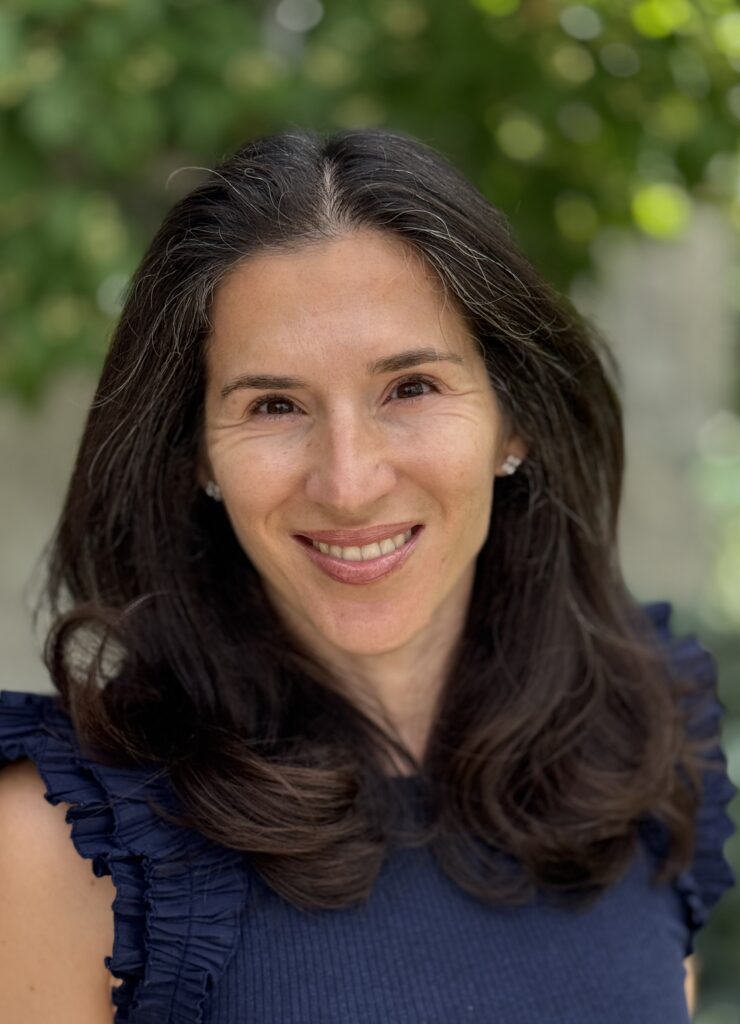
Jennifer L. Gaudiani, MD, CEDS-C, FAED, EDCS
Our Commitment
Building confidence and competence in providers
Keeping education aligned with an ever-changing field
Honoring the humanity of individuals and families impacted by eating disorders
Ensuring that anyone, in any body, can receive informed and compassionate care
News and Articles from EDEI
Stay up-to-date with insights from clinical expertise, community standards and updates to our courses.

What Are the Benefits of DBT For Eating Disorders?
Dialectical Behavior Therapy (DBT) is a highly effective treatment for eating disorders because it addresses the underlying emotional distress that drives harmful behaviors. The therapy

What Are the Signs of Eating Disorders in Teenagers?
Recognizing the signs of eating disorders in teenagers, such as changes in eating habits, social withdrawal, or rapid weight fluctuations, is crucial for early intervention.

Eating Disorder Treatment Statistics
Millions of people worldwide are affected by eating disorders, a growing public health crisis with high mortality rates and a significant impact on diverse demographics.

Treating Unspecified Feeding or Eating Disorder
Eating disorders are complex, nuanced, and require highly specialized care. Among these conditions, an unspecified feeding or eating disorder presents a unique set of challenges.

What Are the Kinds of Eating Disorders?
Eating disorders affect millions of people worldwide, crossing all ages, genders, and backgrounds. These are serious mental and physical health conditions that require professional care

What Does a Eating Disorder Screening Entail?
Eating disorders are serious, potentially life-threatening mental health conditions that affect around 9% of the US population.1 Recognizing the warning signs early can significantly improve

about us
Sign Up For Information
Explore our website and learn more about how our courses can increase your knowledge, improve your care, and work toward a world that can better understand and treat eating disorders. EDEI delivers global learning, with courses that build knowledge and understanding, increase confidence, impact care.
12+ Courses Offered