

Eating Disorder Education For Practice & Treatment Center Owners
By prioritizing education, treatment center and practice owners can lead the way in creating safer, more effective, and more equitable care for individuals navigating eating disorders.
Deliver High-Quality, Evidence-Based, Compassionate Care
Running a treatment center or private practice focused on mental health, nutrition, or medical care comes with unique responsibilities. This is especially true when it comes to eating disorders. Owners and administrators must ensure that staff deliver high-quality, evidence-based, compassionate care. They must also maintain safety, regulatory compliance, and operational efficiency.
Yet research shows that many treatment centers and practices face a critical gap. More than 92% of healthcare providers admit they have missed a patient with an eating disorder at some point. This highlights the urgent need for ongoing education and training at all clinical levels, including leadership.
Without proper training, organizations risk:
- Staff burnout and turnover
- Inconsistent clinical practices
- Missed opportunities for early intervention
- Reputational and ethical challenges
EDEI’s curriculum was designed to help treatment center and practice owners address these challenges. Our programs are evidence-based, practitioner-led, and humanistic. They equip leaders with the tools, strategies, and knowledge needed to elevate care, support staff development, and create a culture of competence and compassion.
Why Eating Disorder Education Matters for Treatment Center and Practice Owners
Leadership Shapes Clinical Quality
Treatment center owners and private practice leaders set the tone for their organizations. When leadership prioritizes eating disorder education, it:
- Ensures staff are trained in evidence-based practices
- Supports culturally competent, inclusive care
- Creates consistent protocols for risk assessment, referral, and intervention
- Builds a culture of accountability and ongoing learning
Conversely, without strong leadership in education, gaps in staff knowledge can lead to inconsistent care and missed diagnoses.
Eating Disorders Are Complex and Evolving
Eating disorders are multifaceted conditions that involve psychological, nutritional, and medical components. Presentations can vary widely across body size, culture, age, gender, and identity. Treatment center and practice owners must understand these complexities to:
- Develop comprehensive clinical protocols
- Structure interdisciplinary teams effectively
- Implement risk management and safety procedures
- Ensure ethical and compliant care
EDEI’s curriculum equips leaders with the knowledge to address these challenges and guide their teams confidently.
Staff Development Improves Outcomes
One of the most significant factors in treatment success is staff expertise. When owners invest in education:
- Clinicians provide more accurate assessment and diagnosis
- Clients receive evidence-based, trauma-informed care
- Interdisciplinary teams collaborate effectively
- Staff confidence increases, reducing burnout
- Treatment outcomes improve, including engagement, retention, and recovery rates
EDEI provides scalable educational solutions that leaders can deploy across their organizations, ensuring all staff—from clinicians to support personnel—are equipped to respond to eating disorder needs.
Compliance, Safety, and Risk Management
Treatment center and practice owners are responsible for client safety, regulatory compliance, and liability management. Lack of staff training in eating disorders can result in:
- Inadequate risk assessment
- Missed medical red flags
- Improper intervention strategies
- Ethical or legal challenges
EDEI teaches both leadership and staff how to implement best practices for assessment, referral, and care management, helping reduce risk and safeguard both clients and the organization.
Organizational Reputation and Trust
In today’s world, families and clients expect high-quality, evidence-informed care. A practice known for comprehensive staff training, culturally competent protocols, and safe, compassionate care builds trust, attracts clients, and differentiates itself from competitors. EDEI’s curriculum positions organizations as leaders in ethical, inclusive, and effective eating disorder care.
How EDEI’s Curriculum Helps Treatment Center and Practice Owners Expand Their Expertise
Evidence-Based, Practitioner-Led Training
Every course is developed and taught by clinicians actively working in eating disorder care. Treatment center owners gain:
- Insight into modern best practices
- Guidance on creating effective protocols
- Applied strategies for interdisciplinary collaboration
- Practical tools for supervising and mentoring staff
This ensures that training is not theoretical but grounded in real-world practice.
Scalable Learning for All Staff Levels
EDEI’s platform supports organizations of any size. Leadership can provide:
- Foundational courses for new staff
- Advanced modules for clinicians, therapists, and dietitians
- Micro-certifications for specialized populations, such as adolescents
- Courses tailored to non-clinical staff, including administrative personnel
This ensures that all members of the organization understand their role in client care, safety, and compliance.
Flexible, Accessible Online Education
EDEI’s CANVAS platform makes it easy for organizations to integrate training into their schedules:
- Self-paced modules allow staff to learn without disrupting client care
- Dyslexia-friendly fonts and multilingual options ensure accessibility
- “Confirm Understanding” checkpoints reinforce knowledge without high-pressure testing
- Online delivery reduces logistical and financial barriers to training
Owners can track team progress and ensure compliance with internal or external training requirements.
Live Practicums for Applied Learning
EDEI offers live group practicums, providing hands-on experience for clinicians and leadership teams. Practicums include:
- Case conceptualization exercises
- Guidance on complex presentations
- Interdisciplinary collaboration strategies
- Risk assessment and escalation protocols
For treatment center owners, this means their teams are not just trained theoretically—they are prepared to implement skills in real-world client care.
Cultural Competency and Weight-Inclusive Practices
EDEI emphasizes inclusive care for individuals across the spectrum of body sizes, races, genders, and identities. Treatment center owners benefit from:
- Staff training that reduces bias and weight stigma
- Frameworks for trauma-informed and culturally sensitive care
- Protocols that ensure equitable treatment for all clients
Inclusive practices improve client engagement, retention, and satisfaction while enhancing organizational reputation.
Support for CEDS and Professional Credentialing
EDEI supports organizations whose clinicians are pursuing or holding CEDS certification. Our curriculum:
- Aligns with recognized certification pathways
- Honors previous educational investments
- Provides a clear roadmap for advanced credentials
- Ensures clinicians meet the highest standards of practice
By investing in EDEI, treatment center and practice owners can foster professional growth and maintain credentialing compliance across their teams.
Earn Your Badge
Choose your EDEI Learning Pathway to earn a full EDCS Professional Credential or one of our Certificates. EDEI provides recognizable, portable, uniquely verifiable virtual badges for each program.

The Impact of EDEI Training on Treatment Centers and Practices
Improved Client Outcomes
Trained staff identify clients earlier, deliver evidence-based interventions, and collaborate effectively, leading to:
- Faster engagement in care
- Reduced medical and psychological complications
- Higher retention rates
- Better overall recovery outcomes
Safer and More Effective Clinical Environments
Staff who understand best practices are better equipped to:
- Manage risk and crisis situations
- Identify red flags promptly
- Provide consistent, high-quality care
- Reduce errors in treatment planning
This protects both clients and the organization.
Staff Retention and Satisfaction
Organizations that invest in ongoing education demonstrate commitment to professional development. This leads to:
- Higher staff morale
- Reduced turnover
- Stronger interdisciplinary collaboration
- Enhanced clinical competence
Compliance and Risk Mitigation
Organizational Leadership and Reputation
Why EDEI Is the Ideal Education Partner for Treatment Center and Practice Owners
EDEI was built to support organizations in elevating their standards of care. For treatment center and practice owners, EDEI provides:
- Evidence-based, practitioner-led curriculum that reflects current research and real-world practice
- Flexible, scalable online learning suitable for organizations of any size
- Live practicums for hands-on, applied skill-building
- Culturally competent, weight-inclusive frameworks
- Support for credentialing and CEDS pathways
- Humanistic, compassionate, practical education that prioritizes safety and outcomes
By equipping leaders and staff with advanced knowledge, EDEI ensures treatment centers and practices provide the safest, most effective, and inclusive care possible.
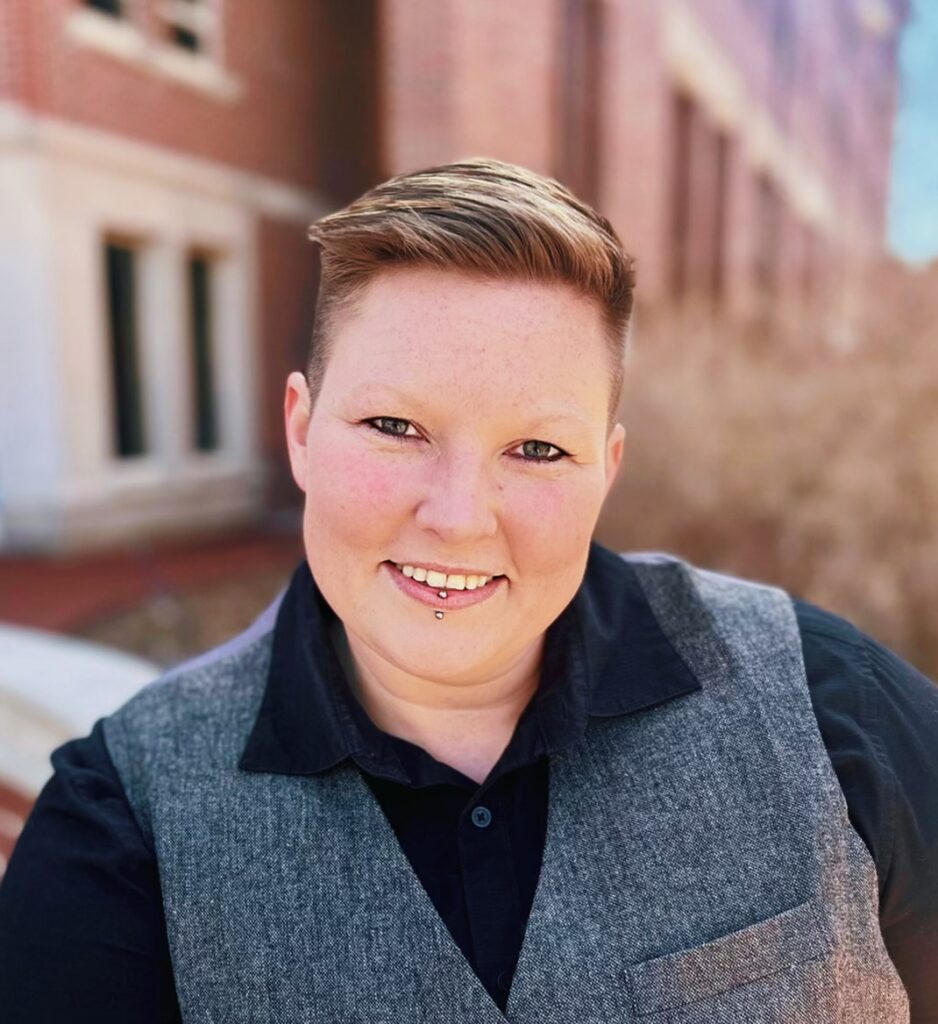
Hightlight on Our EDEI Instructors
Erin N. Harrop, PhD, MSW, LICSW, EDCS
Erin N. Harrop is an Assistant Professor at the University of Denver and licensed medical social worker. Erin’s research focuses on eating disorders, weight stigma, and weight-inclusive healthcare. Erin centers marginalized populations, incorporating mixed methods, arts-based, and lived experience research methods. In addition to studying the impact of stigma on these groups, Erin is also investigating interventions to reduce stigma. Additionally, they also design and evaluate interventions targeting stigma at the healthcare provider level, introducing interprofessional clinicians to weight-inclusive practices that honor patients’ unique intersecting identities.
How EDEI Is Working Towards the Future
EDEI’s curriculum provides organizations with the tools, frameworks, and strategies to:
- Elevate clinical standards
- Improve staff competence and confidence
- Reduce risk and ensure compliance
- Foster inclusive, compassionate care
- Enhance outcomes for clients of all ages, body sizes, and backgrounds
Investing in EDEI training is an investment in your staff, your clients, and the long-term success of your practice or treatment center. By prioritizing education, treatment center and practice owners can lead the way in creating safer, more effective, and more equitable care for individuals navigating eating disorders.
Hear From EDEI contemporaries
What I want to say to anybody who's entering this field is use your voice…because you never know the lives, the moments, the people, the memories that you're going to save by doing so.
EDEI is meaningful to me because it honors the stories, struggles, and resilience of everyone affected by eating disorders. Its education rooted in lived experience, evidence, wisdom and care.
When I first began developing “Foundations of Cultural Awareness and Sensitivity in Eating Disorder Practice, Research, and Advocacy,” my vision was…to cultivate an experience that opens doors for learners to reflect deeply, challenge assumptions, and grow into more culturally aware, sensitive, and responsive providers.
We all want to see our clients recover, and we must guide them in that direction taking into account their autonomy as well as our responsibilities as clinicians to protect.
about us
Sign Up For Information
Explore our website and learn more about how our courses can increase your knowledge, improve your care, and work toward a world that can better understand and treat eating disorders. EDEI delivers global learning, with courses that build knowledge and understanding, increase confidence, impact care.



12+ Courses Offered