

Eating Disorder Education For Educators
As eating disorder presentations rapidly change and cultural diversity increases, education is essential amid growing online misinformation. EDEI was created to respond to that urgency.
Eating disorders impact students from early adolescence through high school. While facing physical, emotional, and social pressures, students may develop body-image and mental health concerns.
Most educators receive little formal eating disorder training. This leaves them underprepared to support affected students, resulting in missed chances for early detection and increased risk for complications.
EDEI’s curriculum was designed to fill this critical educational gap. Our evidence-based, practitioner-led, and humanistic programs equip school educators with the knowledge, skills, and confidence to identify, understand, and respond to eating disorders in diverse student populations. Below, we explore why eating disorder education is essential for educators and how EDEI’s curriculum empowers schools to foster safer, healthier, and more supportive environments.
Why Eating Disorder Education Is Critical for School Educators
Schools Are Often the First Place Warning Signs Appear
Students spend a significant portion of their day in school, making teachers, counselors, and coaches uniquely positioned to notice early indicators of disordered eating. Some common warning signs include:
- Sudden or unexplained weight changes
- Food avoidance, secretive eating, or skipping meals
- Excessive concern about body image or dieting
- Withdrawal from social or extracurricular activities
- Signs of anxiety, depression, or irritability related to food or body image
- Compulsive exercise routines or stress around physical appearance
Without specialized education, these signs can be misinterpreted as typical adolescent behavior or academic stress. EDEI’s curriculum helps educators distinguish between typical development and patterns indicative of an eating disorder.
Eating Disorders Affect Students Across All Body Types
Weight bias is pervasive, even in educational settings. Many educators unconsciously assume that eating disorders only occur in thin students, which leads to missed identification in students in larger bodies. EDEI emphasizes weight-inclusive, culturally responsive education, ensuring that school professionals can recognize eating disorders in students of all body sizes, genders, races, and identities.
Early Detection Improves Outcomes
Early intervention supports recovery. Trained educators can notice subtle patterns, engage students, refer to professionals, and reduce complications.
- Engage students in supportive conversations
- Facilitate timely referrals to mental health professionals or healthcare providers
- Reduce risk of medical complications and worsening symptoms
By identifying concerns early, educators help students access the right care sooner, supporting better long-term outcomes.
Educators Influence Attitudes Toward Food and Body Image
School environments shape student beliefs about health, nutrition, and body image. Teachers and coaches influence students daily, whether through:
- Classroom discussions about nutrition and health
- Guidance on physical education and sports performance
- Messaging in school wellness programs
- Casual remarks about food, weight, or appearance
Without training, educators may inadvertently reinforce harmful dieting culture, weight stigma, or unhealthy behaviors. EDEI’s curriculum helps educators understand how to model healthy, inclusive attitudes toward food and bodies, reducing harm and promoting well-being.
Eating Disorders Require a Whole-School Response
Supporting students with eating disorders is not solely the responsibility of school counselors. Effective intervention requires collaboration across staff, including teachers, administrators, coaches, and mental health professionals.
EDEI’s curriculum equips educators to:
- Recognize warning signs
- Communicate concerns safely and appropriately
- Support students while maintaining boundaries
- Coordinate with families and care providers
- Contribute to a comprehensive, school-wide approach
This integrated approach creates safer, more informed school communities.
School staff, teachers, counselors, coaches, and administrators, are often the first to spot early signs of disordered eating. Their awareness can determine whether a student receives timely intervention.
How EDEI’s Curriculum Supports School Educators
Evidence-Based Training
Our programs combine:
- Current research on adolescent eating disorders
- Clinical best practices
- Practical strategies for school settings
- Insights from lived experience
Educators gain knowledge that is both accurate and actionable.
Practitioner-Led Courses
Accessible, Flexible Learning
EDEI’s CANVAS platform allows educators to:
- Learn at their own pace
- Access content in multiple languages
- Use dyslexia-friendly fonts
- Engage with short, digestible modules
This flexibility ensures that educators can fit learning into busy schedules without compromising depth or quality.
Practical, School-Focused Skills
Educators who complete EDEI courses learn to:
- Identify early warning signs of disordered eating
- Engage students in compassionate, non-judgmental conversations
- Create classroom environments that reduce diet culture and weight bias
- Support students in navigating social pressures and body-image challenges
- Refer students to appropriate clinical care when needed
These skills help educators create a safer and more supportive environment for all students.
Cultural Competency and Inclusivity
Students’ experiences of eating disorders are shaped by culture, identity, and social context. EDEI trains educators to:
- Recognize eating disorders across diverse populations
- Avoid assumptions based on body size, race, or gender
- Provide care that is trauma-informed and inclusive
- Foster acceptance and reduce stigma within the school community
By promoting equity, educators contribute to more effective and compassionate support for students.
Self-Paced Modules With Practical Assessment

The Impact of EDEI Training on School Communities
When school educators receive targeted eating disorder training, the benefits extend far beyond individual students:
Early Identification and Intervention
Educators trained through EDEI are better equipped to recognize warning signs and act quickly, connecting students with appropriate mental health services before issues escalate.
Safer School Environments
Educators develop the skills to reduce weight stigma, challenge diet culture, and foster inclusive attitudes toward body image, food, and wellness in classrooms and extracurricular settings.
Collaborative Approach
EDEI equips educators to work with counselors, psychologists, nutritionists, and families to coordinate care, ensuring students receive a consistent, informed support system.
Empowered Educators
Training increases confidence and competence, allowing educators to respond to eating disorder concerns with knowledge, compassion, and professionalism.
Better Student Outcomes
Educators who are trained in recognizing and responding to eating disorders help students access care sooner, experience less stigma, and develop healthier relationships with food and body image.
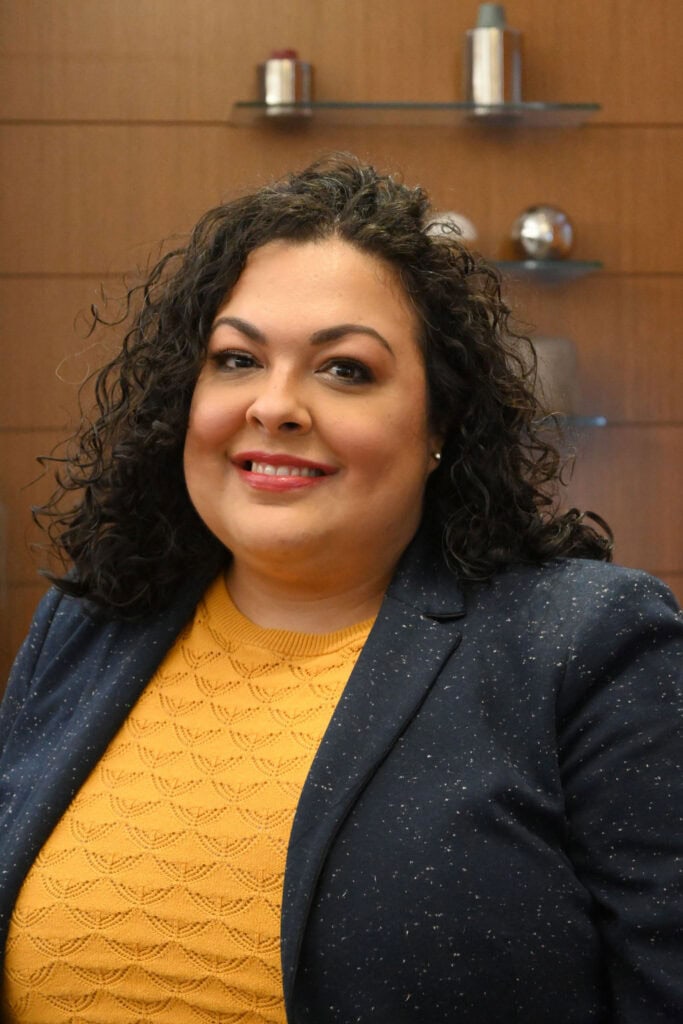
Hightlight on Our EDEI Instructors
Patrilie Hernandez, MS, EDCS
Patrilie Hernandez is a liberatory educator, and strategist with over 16 years of experience in public health, food systems, and nonprofit leadership. Their work is grounded in the belief that dignity for all should be foundational, not conditional, and that fairness must be reflected in systems, not just statements. Drawing from a multidisciplinary background in social science, public health, and nonprofit management, as well as their lived experience as a higher-weight, neurodivergent, queer person of color, Patrilie brings a nuanced, intersectional approach to creating sustainable change. They specialize in body-inclusive, trauma-informed, and culturally responsive strategies that help organizations move beyond the performative and work towards just access to resources and fair opportunities for all.
Why EDEI Is the Ideal Partner for School Educator Training
EDEI was founded to fill the education gap in eating disorder training for professionals across disciplines. For school educators, EDEI provides:
- Evidence-based, practitioner-led instruction grounded in research and real-world practice
- Humanistic, compassionate approaches to working with students
- Weight-inclusive, culturally competent frameworks
- Flexible, accessible online learning for busy educators
- Practicums and applied exercises for practical skill-building
- Support for ongoing learning and professional growth
By providing educators with knowledge and confidence, EDEI strengthens schools as safe, supportive environments for students navigating eating disorders.
How EDEI Is Working Towards Change
Eating disorders are complex, common, and often hidden, but school educators are in a unique position to make a difference. By expanding their knowledge, skills, and confidence, educators can identify early warning signs, support students compassionately, and connect families with the right clinical resources.
EDEI’s curriculum equips educators with the tools they need to act effectively, inclusively, and safely. Through evidence-based content, practitioner-led guidance, flexible learning options, and a focus on cultural competency, EDEI ensures that every school professional is prepared to respond to one of the most pressing mental health challenges facing students today.
By investing in training through EDEI, schools can transform the way they approach eating disorders, creating safer, healthier, and more supportive environments where all students can thrive.
about us
Sign Up For Information
Explore our website and learn more about how our courses can increase your knowledge, improve your care, and work toward a world that can better understand and treat eating disorders. EDEI delivers global learning, with courses that build knowledge and understanding, increase confidence, impact care.



12+ Courses Offered